Solar
Solar panel cost in Australia, after rebates
Why almost every Australian quote is 6.6kW, how the STC rebate works, and why waiting now costs you money.
Independent Australian home-cost research
Most cost guides are written by people who have never held a quote. Ours start with what Australian homeowners really spent — itemised, dated, in Australian dollars — so you walk into your first quote already knowing what fair looks like.
Why almost every Australian quote is 6.6kW, how the STC rebate works, and why waiting now costs you money.
Why asphalt shingles barely exist here, and the pre-1990 asbestos risk that can add five figures.
A real Newcastle quote for three systems, and why “back-to-back” changes your price more than the brand.
Why a supply-only quote isn’t the same job, and when a thermal break actually matters.
Cabinetry, benchtops and labour — where the budget goes and where the upsells hide.
From a cosmetic refresh to a full strip-out — realistic ranges for each level of project.
What drives the number on a ground floor extension or a second storey — and why building up costs 30 to 50% more.
Two complete Australian quotes taken apart line by line — including what the customer never sees.
Storage vs continuous flow, gas vs electric vs heat pump, and what installation really adds.
When an old fuse board stops coping, what a modern switchboard costs, and the signs you need one.
Hairline cracks to full underpinning — what each fix costs and how urgent it is.
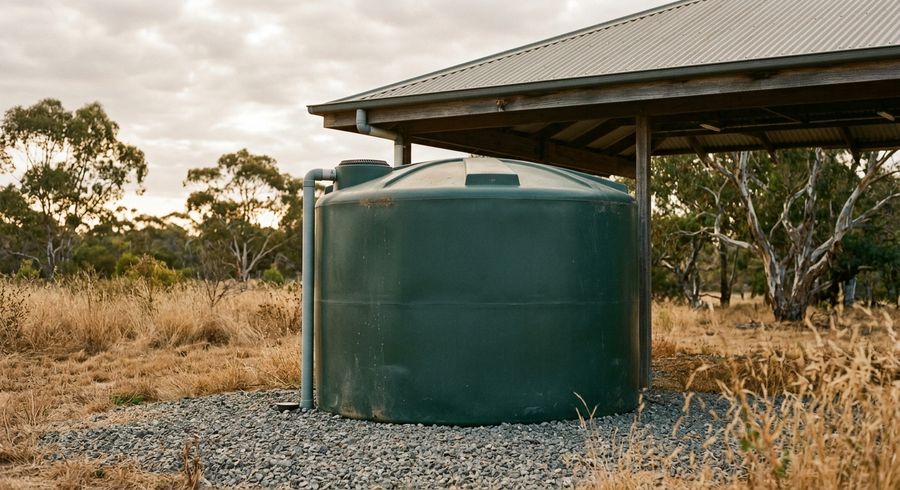
The tank is the cheap half — base, pump, plumbing and diverters are all quoted separately.
Setup, yearly upkeep and the 1,500 hours a year of your own labour.
Council permits come first — then access and risk, not cutting, decide the price.
The two materials that dominate Australian roofs, and what actually separates their quotes.
Colorbond, timber, aluminium — plus the boundary rules that decide who pays.
Anyone can publish a price range. What’s harder to find is someone who’ll tell you what the job actually cost them, including the parts that went wrong. Several guides on this site carry first-hand accounts from Australian homeowners and tradespeople, credited by first name and region at their request.
Renovated an established weatherboard home and priced up a second dwelling on his block. Contributed real figures on an ensuite built from scratch, flooring, insulation, hot water, air conditioning, interior painting and a dual occupancy — including a $6,000 sewer upgrade discovered mid-build and a $2,926 stormwater plan council didn’t end up needing.
A decade of work on one home — two bathrooms, a kitchen, fencing, a deck, tree work and three insurance claims. Her hardest-won lesson runs through all of it: check the work properly before you pay the final invoice.
A horticulturist who maintains a three-acre property full time, and who ran acreage mowing and fallen tree clearing as a one-man operation earlier in his career. Contributed the costings behind acreage ownership, rainwater tanks and grey water systems — plus two of his own quotes, broken down line by line, in inside a tradie’s quote.
How we cost every project
Where a guide carries a homeowner’s account, that’s a named contributor’s real project and their own out-of-pocket costs. Researched ranges come from published Australian pricing, and every guide names its sources.
Material and labour costs move, and Australian prices are not American prices converted. Every guide carries a last-updated date so you can see how current the figures are.
We don’t sell placement and no contractor pays to appear. How we make money is stated plainly and never shapes a guide.
Project Price Point is free to read and supported by advertising. Some pages show ads. Advertising never influences our cost research or what a guide says. Read our editorial standards.